Is Solo Travel Safe?
Tips for staying safe while travelling alone
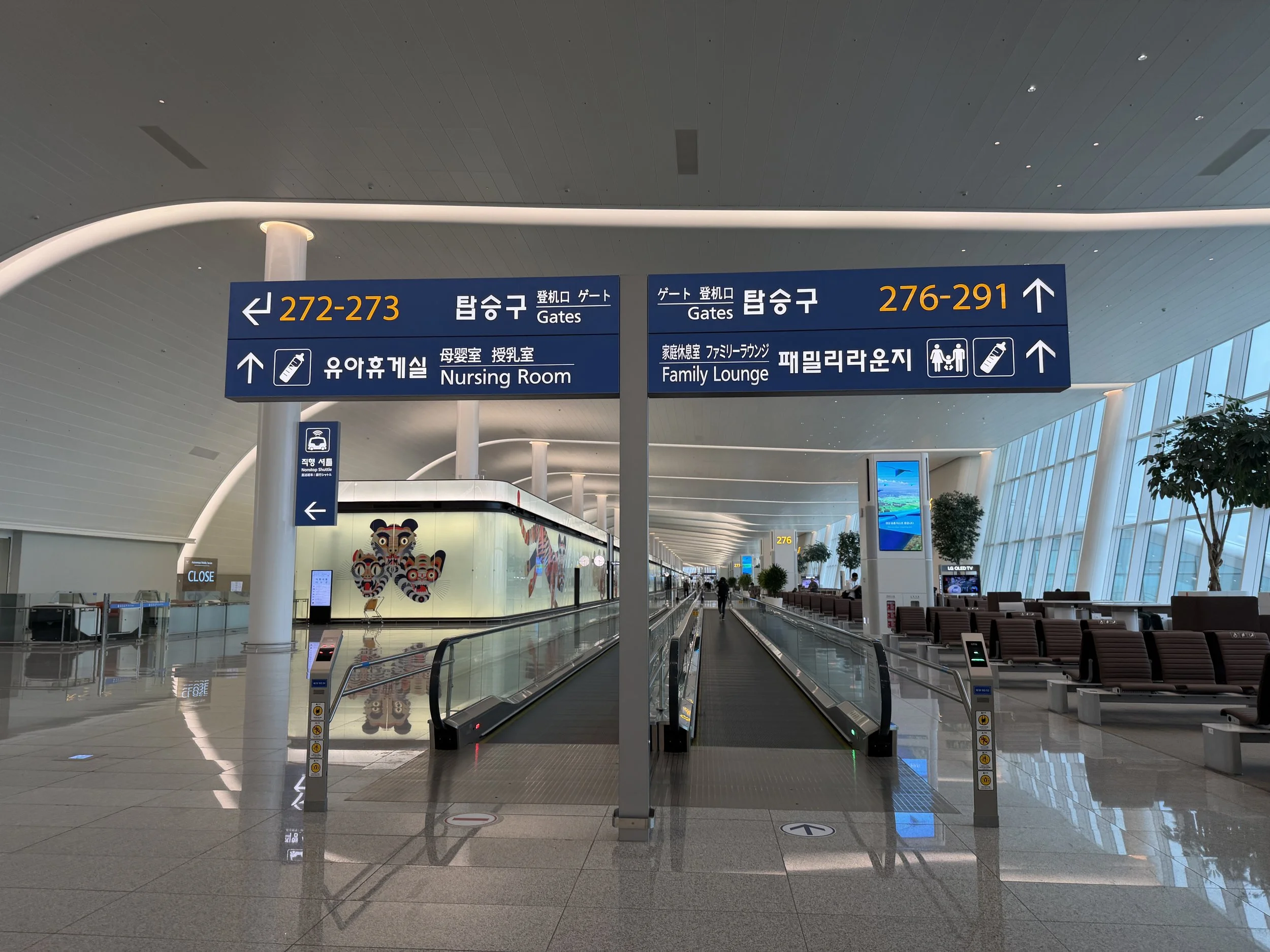
Incheon Airport, Seoul, South Korea
Are you worried about whether travelling alone is safe?
Maybe people in your life — or even strangers online — have warned you that something bad might happen if you travel solo.
Well, I can tell you that something might happen.
And that something might be falling in love with travelling on your own.
That said, solo travel does come with responsibility. After two years of travelling alone, I’ve developed a few habits that help me stay safe while still enjoying the freedom that solo travel offers.
Here are some of my most important ones.
Keep Personal Details Private
When travelling alone, strangers sometimes ask personal questions:
“Are you travelling alone?”
“How long are you staying here?”
“Do you have a partner?”
Taxi drivers, rideshare drivers, or even people you meet casually may ask these questions.
I often avoid sharing real details about my trip. Sometimes I say I’m travelling with a group or meeting friends later.
You don’t owe strangers personal information, and giving vague answers helps avoid putting yourself in an uncomfortable situation.
Another simple trick?
I know you want to practice the local language that you likely took time to learn just to speak with locals, but if the language barrier exists, you can pretend you don’t understand the question.
Avoid Sharing Your Travel Plans
When meeting new people (locals and other travellers) during your trip, it’s best not to share exactly when you’re leaving and what your travel plans look like
If someone knows your departure date, they know:
how long you’ll be around
whether you can easily change plans
Instead of giving exact details, I usually say something vague like:
“I’m still deciding how long I’ll stay.”
It keeps your plans private while still being polite.
Share Your Location With Someone You Trust
This is just for security in case your location needs to be known. But it’s good to know that someone you trust, like your parents, knows where you are and can give your last known location to authorities if necessary.
One of the easiest safety habits is simply someone know where you are. Many phones allow location sharing with trusted contacts and this can be done without you thinking about it, with apps like Apple’s Find My.
I usually share my location with family members so that someone knows my last known location if needed.
You probably already use this at home and you will probably never need it, but it’s good for peace of mind for you and your loved one who may be worried about you travelling solo.
Stick to Well-Lit & Busy Areas
Whether it’s daytime or nighttime, populated areas are generally safer.
When exploring new places:
stick to streets with people around
choose well-lit routes at night
avoid empty alleys or isolated areas
If you want to visit a more remote place, consider asking:
hostel staff
hotel reception
local guides
They usually know which areas are safe and less likely to be known for scams, thefts, crimes, etc.
You can also go with a few people that you know from your hostel, etc., so that you have safety in numbers.
Stay Aware of Your Surroundings
Looking lost in public can sometimes make you a target for scams, theft, etc.
Instead of constantly checking your phone while walking, try to:
study your route beforehand
remember landmarks
check directions inside a shop or café if needed
This helps you appear more confident and aware of your surroundings—more like local who knows exactly where they’re going and less like a tourist who is visiting for the firm time.
I would also avoid wearing visible headphones-earphones while walking because they reduce awareness of what’s happening around you and you could easily lose them in crowded areas.
Go Out at Night With Others
Nightlife can be one of the most fun cultural experiences while travelling.
However, if you’re exploring bars, pubs, clubs, etc., in a new place, it’s often safer (and more fun!) to go with others.
A few ways to meet people:
staying in hostels (you can even have your own private room)
joining bar-pub crawls to be with a group a people
using apps like Hostelworld or Nomad Table to see the events around you
Being with a group makes it easier to look out for each other and return to your accommodation safely.
Be Careful With Food and Water
Food is one of the best parts of travelling, but it can also be one of the easiest ways to get sick.
Some tips that have helped me:
Choose freshly cooked food.
Food cooked in front of you is usually safer than food that has been sitting out.
Observe cleanliness.
If the area looks dirty or the vendor is handling money and food without washing their hands, it might not be the safest option.
Remember that locals are used to local bacteria.
Even if locals eat somewhere regularly, your digestive system may not be used to it.
For example, when I visited the Ecuadorian jungle near Tena, I saw guides drinking river water that smelled like iron. When I asked if I could drink it too, the guide strongly advised against it because they had grown up drinking it — I hadn’t.
Avoid tap water and ice in some destinations.
If you’re unsure about whether you can drink tap water somewhere, ask your guide if you’re in a group trip, but if not, stick with filtered and bottled water.
If you’re unsure if a beverage-drink contains tap water, you can kindly ask the waiter-bartender-person who made it whether water or ice is made with filtered or bottled water.
Consider Travel Health Preparation
Before travelling internationally, I recommend seeing a travel health medical professional.
They can advise you about:
vaccines
medications
prevention tips
For the places you plan to visit.
For example, I take Dukoral before each trip, which helps protect against traveler’s diarrhea and cholera.
Being prepared helps you avoid health issues that could interrupt your trip and prevent you from fully enjoying your travels—going to the hospital during your travels is not the most fun experience.
Final thoughts
Solo travel doesn’t have to be reckless or impulsive — it just requires awareness and preparation.
With the right habits, travelling alone can actually be one of the most empowering experiences you can have.
After two years of solo travel, I’m still here, writing this blog — and still excited to explore new places on my own!
The biggest risks related to solo travel that you might face might be discovering how much you love it or never discovering it for yourself.
What are your favourite solo travel safety tips?
Let us know!